The Consent Management Platform Built for CTOs Who Care About Speed, Security, and Scalability
Deploy compliant consent experiences without slowing your stack, compromising performance, or adding engineering burden.
Why CTOs Choose Enzuzo
Replace custom consent code with a fully maintained solution; fewer bugs, fewer regressions, no ongoing patching.
Consent logic becomes centralized and predictable, not ad hoc across teams and projects.
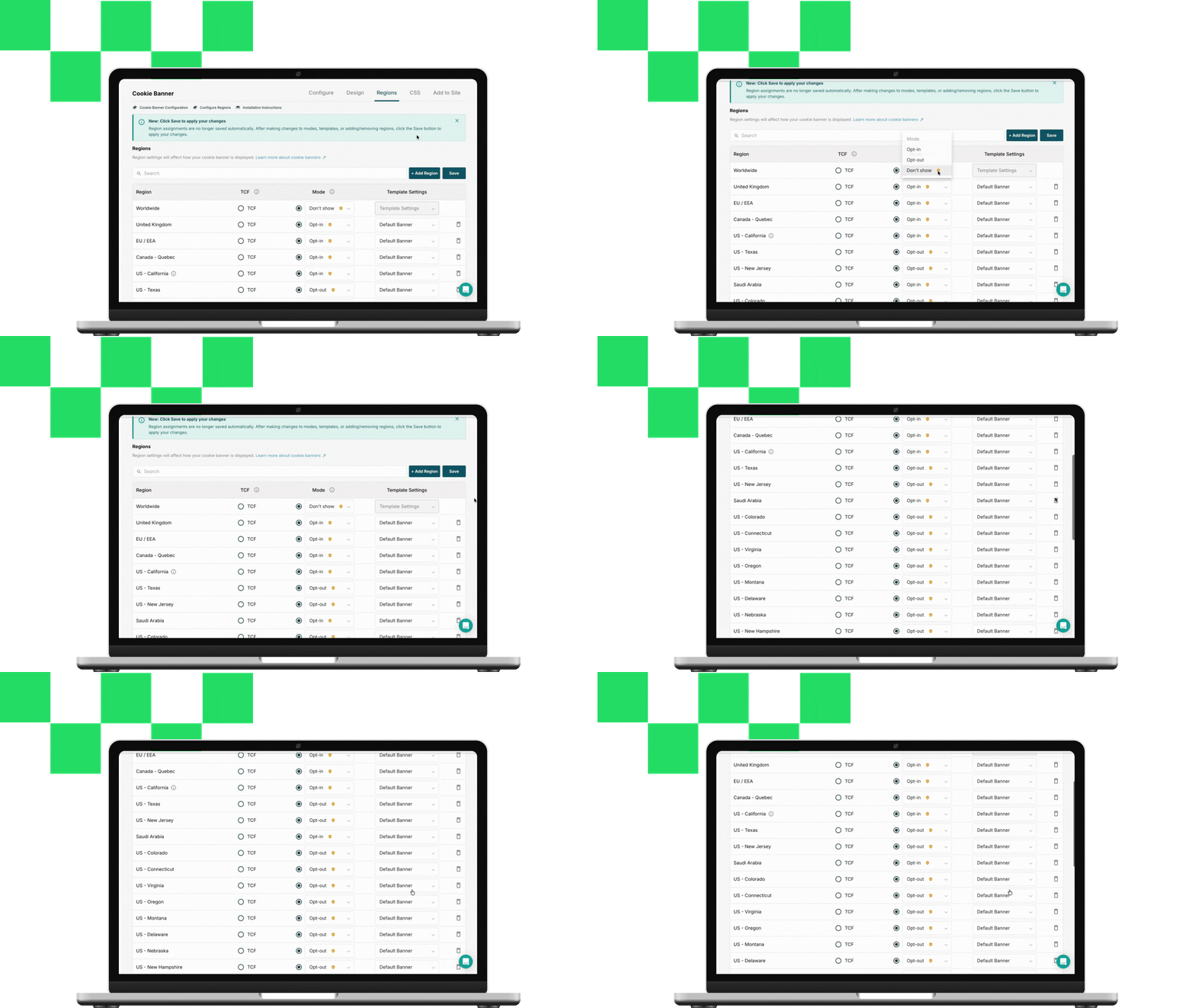
GDPR. ePrivacy. CCPA/CPRA. LGPD. Complex global requirements handled without rebuilding logic per region.
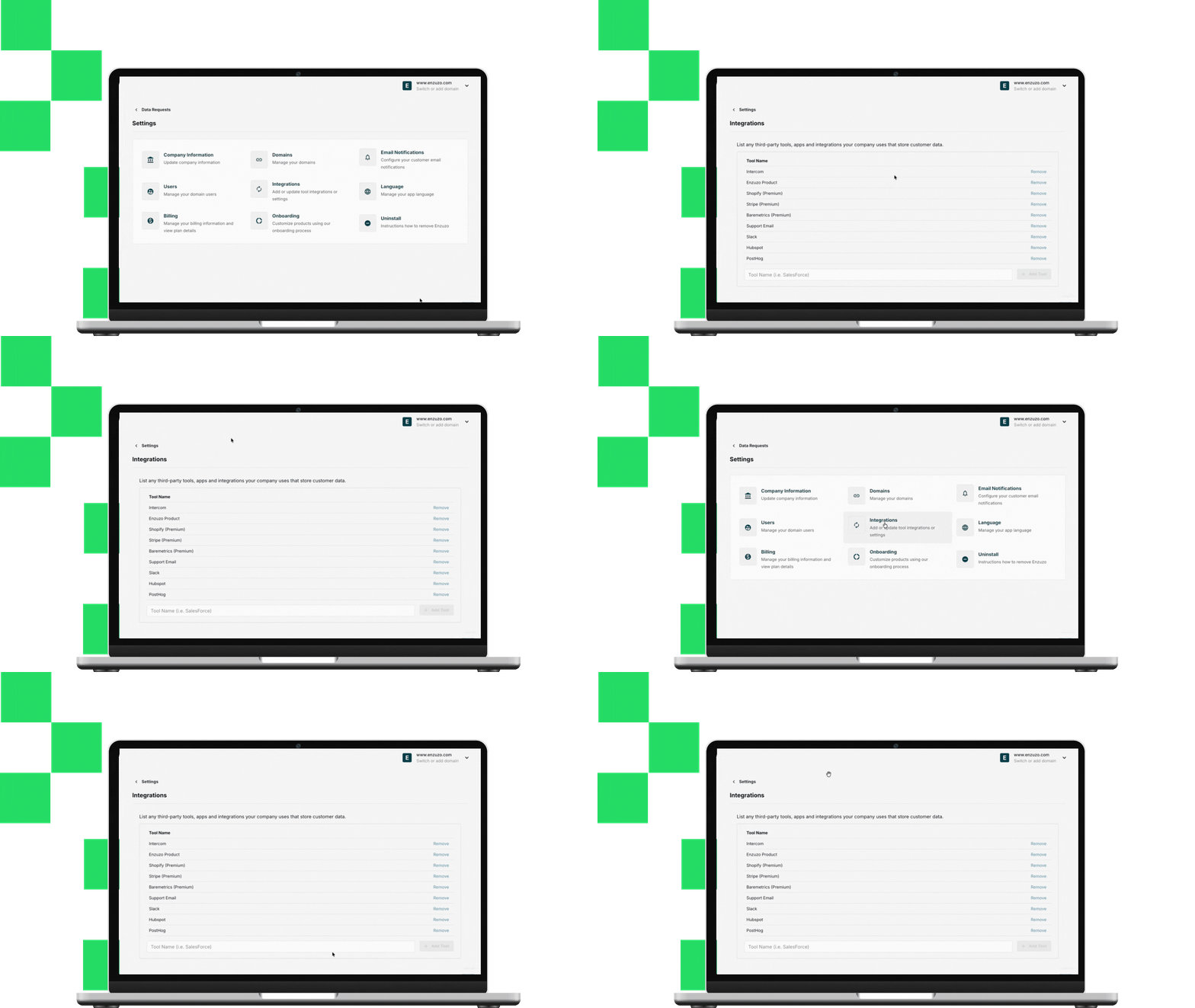
Minimal script weight. Fast load times. Asynchronous execution.
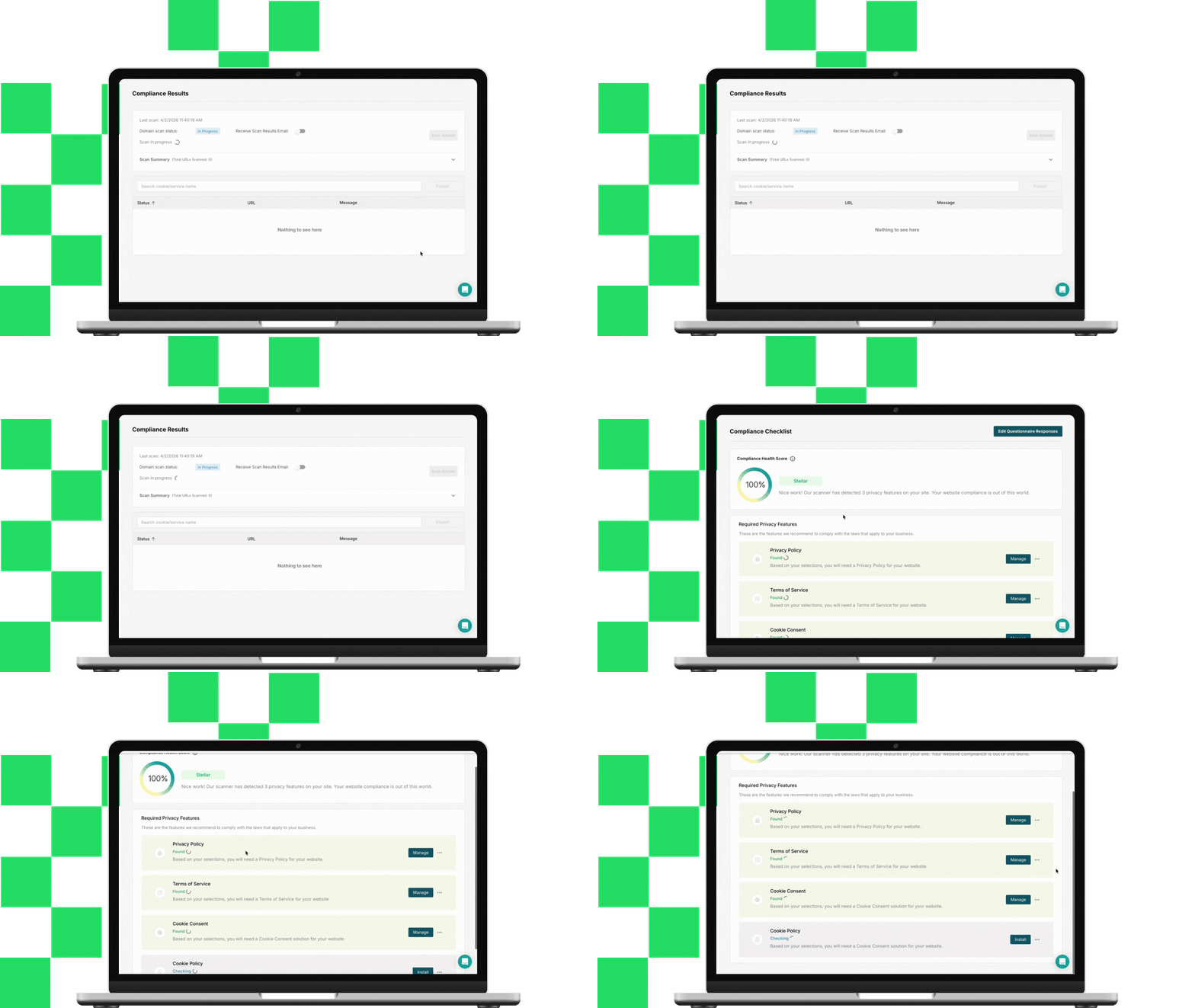
Legal and compliance teams get what they need without requiring engineering support.
How Enzuzo Fits Into a CTO’s Daily Responsibilities
Reduce Engineering
Maintenance Burden
Replace custom consent code with a
fully maintained solution; fewer bugs,
fewer regressions, no ongoing patching.
Improve System
Reliability
Consent logic becomes centralized
and predictable, not ad hoc
across teams and projects.
Maintain Privacy
Compliance at Scale
GDPR. ePrivacy. CCPA/CPRA. LGPD.
Complex global requirements handled
without rebuilding logic per region.
Protect Site
Performance &
Core Web Vitals
Minimal script weight.
Fast load times.
Asynchronous execution.
Exportable Audit Trails
what they need without requiring
engineering support.

Start powering
data privacy today
Free forever plan available - no credit card required
Integrations Designed for Modern Engineering Stacks
API-First Design
Full programmatic control for teams needing custom automation, consent syncing, or cross-domain orchestration.

Deploy Anywhere
-
Web apps
-
Static sites
-
Server-rendered platforms
-
Ecommerce stacks
-
Hybrid architectures
Works With Your Tooling
-
GTM & custom tag managers
-
API-based consent retrieval
-
Shopify, Webflow, WordPress, custom frameworks
-
CI/CD workflows
Clear Technical ROI for CTOs
Reduce
Engineering Hours
Improve Reliability in High-Traffic Scenarios
Our infrastructure scales with traffic spikes during promotions, launches, or global events.

Reduce Risk of Compliance Failures
A misconfigured CMP can cause data loss, analytics breakage, or regulatory violations. Enzuzo prevents these issues.
Accelerate
Deployment Timelines
Deploy in minutes instead of weeks.
Pricing That Makes Sense for Technical Organizations
-
Scale across multiple domains and environments
-
Predictable cost structure even during traffic surges
-
No penalties for additional scripts, APIs, or infrastructure use
-
Ideal for engineering-led SaaS, ecommerce, marketplaces, and enterprise platforms
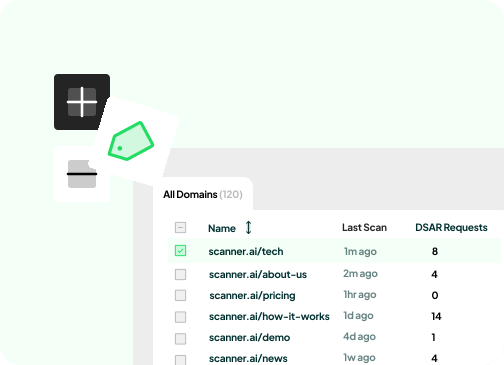
Support Tailored to Engineering Teams
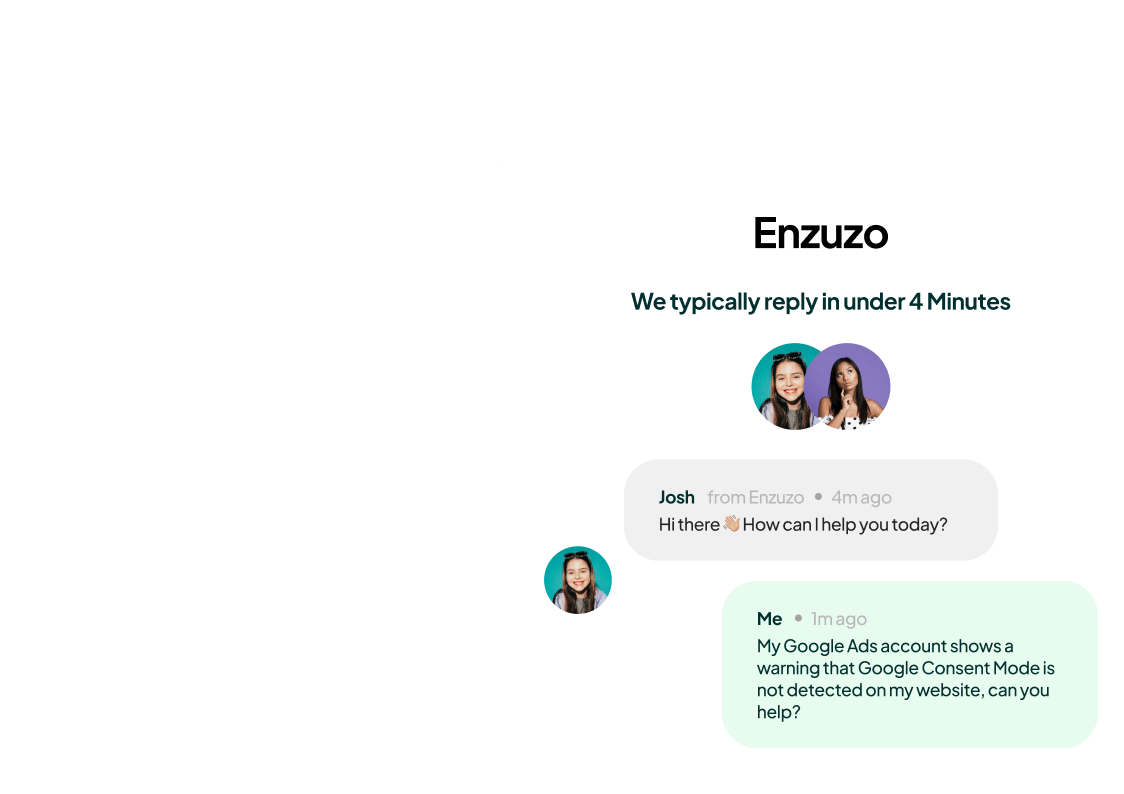
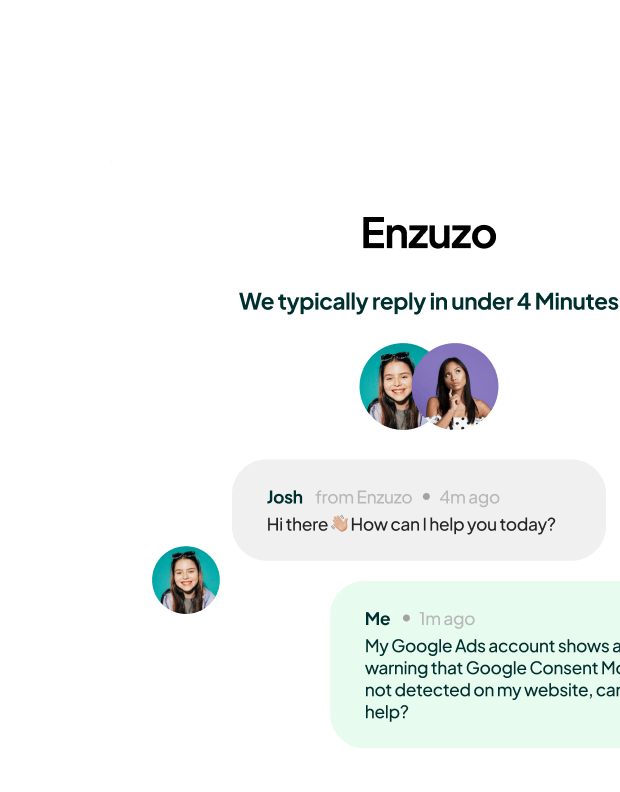
Technical Onboarding & Architecture Guidance
Work directly with experts who understand deployment, infrastructure, and app-level complexities.
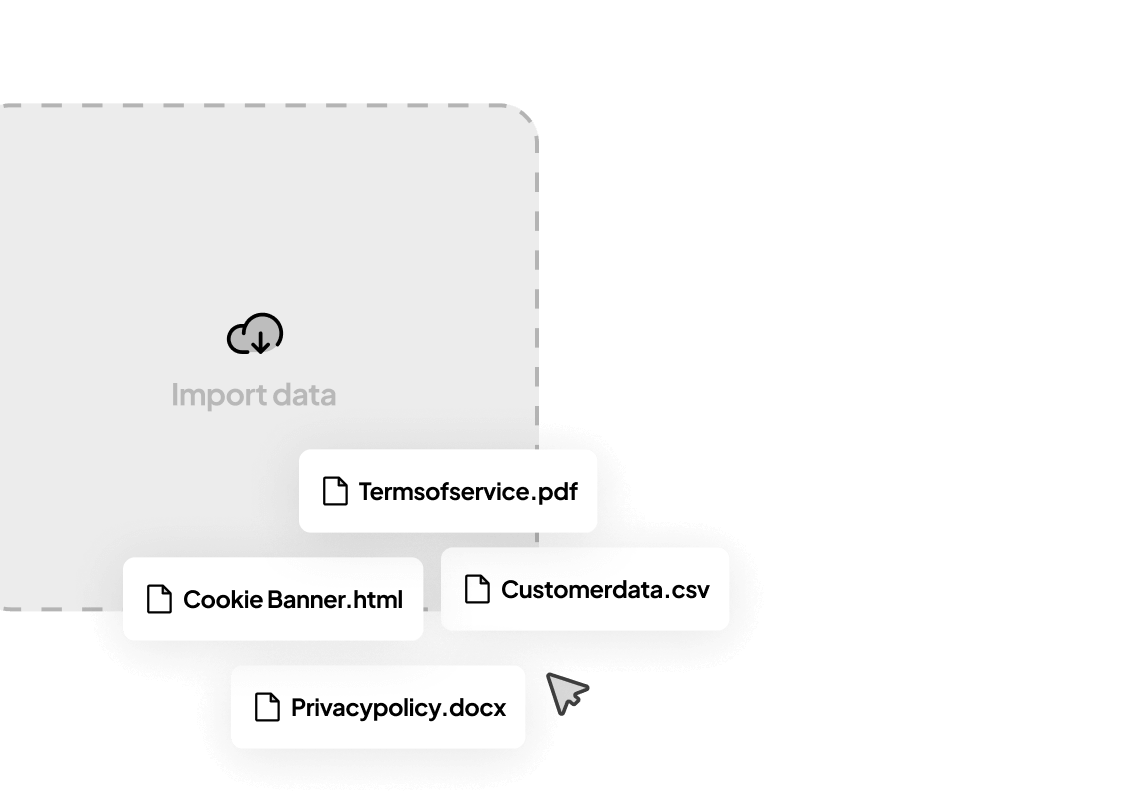
Zero-
Downtime Migration
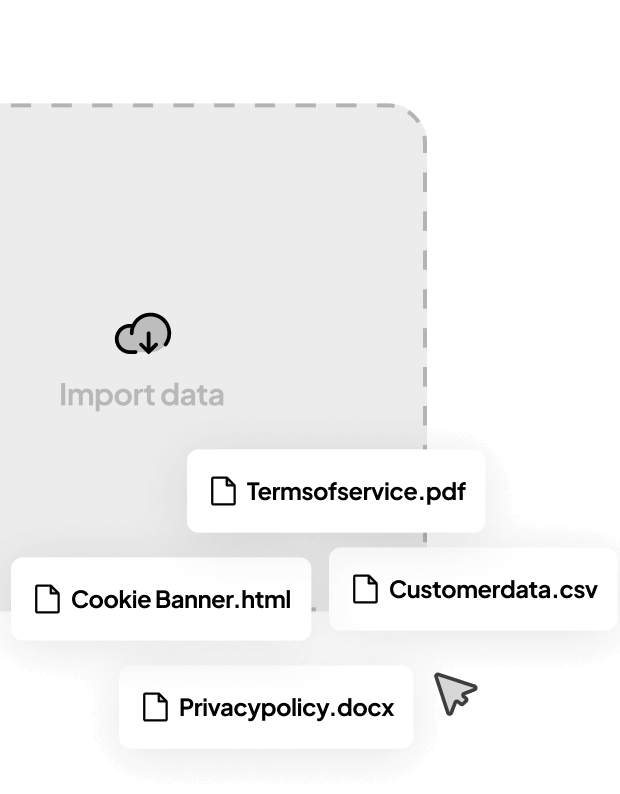
Move from your current CMP or custom setup without breaking analytics or tracking.
Optional Slack
Integration
Provide your engineering and DevOps teams a direct, fast communication channel.
FAQ
Common Questions From CTOs
Do you have SOC 2 compliance, and what security documentation can you provide?
Yes. Enzuzo is SOC 2 Type 1 certified and is actively working toward Type 2 certification. We proactively share the SOC 2 report, security documentation, and our Data Processing Agreement during the evaluation process so your IT security and legal teams can review in parallel with any technical assessment.
If your vendor review process requires specific documentation beyond what we provide upfront, we'll work with your team to fill gaps. We've also completed Google CMP certification, which requires its own compliance submission and testing process.
How does the CMP integrate with our existing stack (React, Sitecore, .NET, Eloqua)?
If most of your consent-gated services are loaded through Google Tag Manager, the core integration is straightforward: add Enzuzo's GTM template, set firing triggers based on consent, and you're covered.
For tools that don't play nicely with GTM, like certain enterprise marketing platforms that need to be hardcoded into the site, our technical team writes custom code snippets during onboarding to bring those into the consent framework. That's included in the subscription, not an extra cost.
For framework-specific concerns like React DOM conflicts or CMS-level geolocation services, we set up a dedicated technical call with our architect to map out the right deployment approach before you commit to anything.
What does migration from OneTrust (or another CMP) actually look like?
If your current CMP runs through GTM with consent-triggered tags, the migration is mostly changing triggers to point to Enzuzo instead of OneTrust. The deployment work you've already done carries over. You're not rebuilding consent logic from scratch.
Our geofencing defaults are more granular out of the box (state-level for the US, not just country-level), so you may want to review and trim those defaults to match your current approach.
We recommend overlap between your old and new CMP contracts, so you have runway to test on staging before cutting over to production.
How long does implementation take, and can we phase it?
If GTM is clean and your tags are already organized with consent triggers, the technical work will take an afternoon. We tell enterprise partners to budget one to two weeks to be conservative, since most teams want to deploy to a staging environment first and coordinate across engineering, legal, and marketing before going live.
You can absolutely phase it. Start with everything out of the box: banner configuration, geofencing, cookie categorization, consent logs. Then in phase two, explore the API for custom consent flows, programmatic banner control, or deeper integration with your own systems. Most enterprise customers take this approach.
What happens if scripts load before consent is set?
This is the most common compliance gap we see. If you deploy the CMP through GTM and a portion of your audience blocks GTM entirely, the consent banner never fires and you have no consent record.
For audiences like that, we recommend loading the CMP script directly in the page head alongside GTM, not inside it. That way consent is defined on page load regardless of whether GTM is blocked.
Within GTM, all non-essential tags get consent-based firing triggers so they only execute after the consent signal is set. For scripts injected directly into theme code or loaded outside GTM, our team writes the consent checks as part of onboarding so nothing fires out of order.
We also run a cookie scan during onboarding to catch anything that's writing cookies before consent is established.
Who maintains this after deployment: engineering or marketing?
The goal is to get engineering out of the loop for day-to-day maintenance. Banner design, copy changes, regional settings, cookie categorization, and consent reporting are all managed through the dashboard without touching code.
If your marketing or compliance team wants to adjust which states are opt-in versus opt-out, or run A/B tests on banner UX, they can do that directly in the interface.
For GTM-managed tags, your marketing ops team can publish new tag changes with the correct consent triggers without filing engineering tickets.
Engineering only needs to get involved if you add a new tool that loads outside GTM or if you want to build custom consent flows through the API.
How does consent work across multiple domains and subdomains?
We count primary root domains, not subdomains. Subdomains share consent with their parent domain, so if a visitor consents on yoursite.com, that consent carries to app.yoursite.com, resources.yoursite.com, and any other child domains automatically.
Each root domain gets its own banner configuration, cookie scan, geofencing rules, and preference center, and you can toggle between them in the dashboard.
For third-party hosted subdomains like resource centers or booking engines running on a different server, you can set those up as separate entities and deploy via GTM or a direct script, as long as you can add either to the page.
Cross-domain consent between completely separate root domains is a known industry limitation. We handle that by running separate consent instances with consistent configurations.
What does the DPA and sub-processor list look like?
We provide an enterprise Subscription Service Agreement, a Data Processing Agreement with a sub-processor appendix, and SLA documentation as part of the contract package.
The DPA covers standard data processing terms including data residency, retention, and transfer provisions for US, UK, EU, and Canadian frameworks. If your legal or procurement team needs contracts with individual sub-processors, we can pull those from our compliance platform.
We send all of this proactively once you're ready for vendor review so your legal team can work in parallel with technical evaluation rather than sequentially. Most enterprise customers run legal and technical review at the same time and close within two to four weeks.
Still have questions about Enzuzo? Visit the Help Center.