The Consent Management Platform Built for CMOs
Recover lost attribution, increase opt-ins, and protect your paid media performance — all while maintaining global privacy compliance.
Why CMOs Choose Enzuzo
Enzuzo ensures your tracking survives privacy regulations, preserving campaign efficiency across market
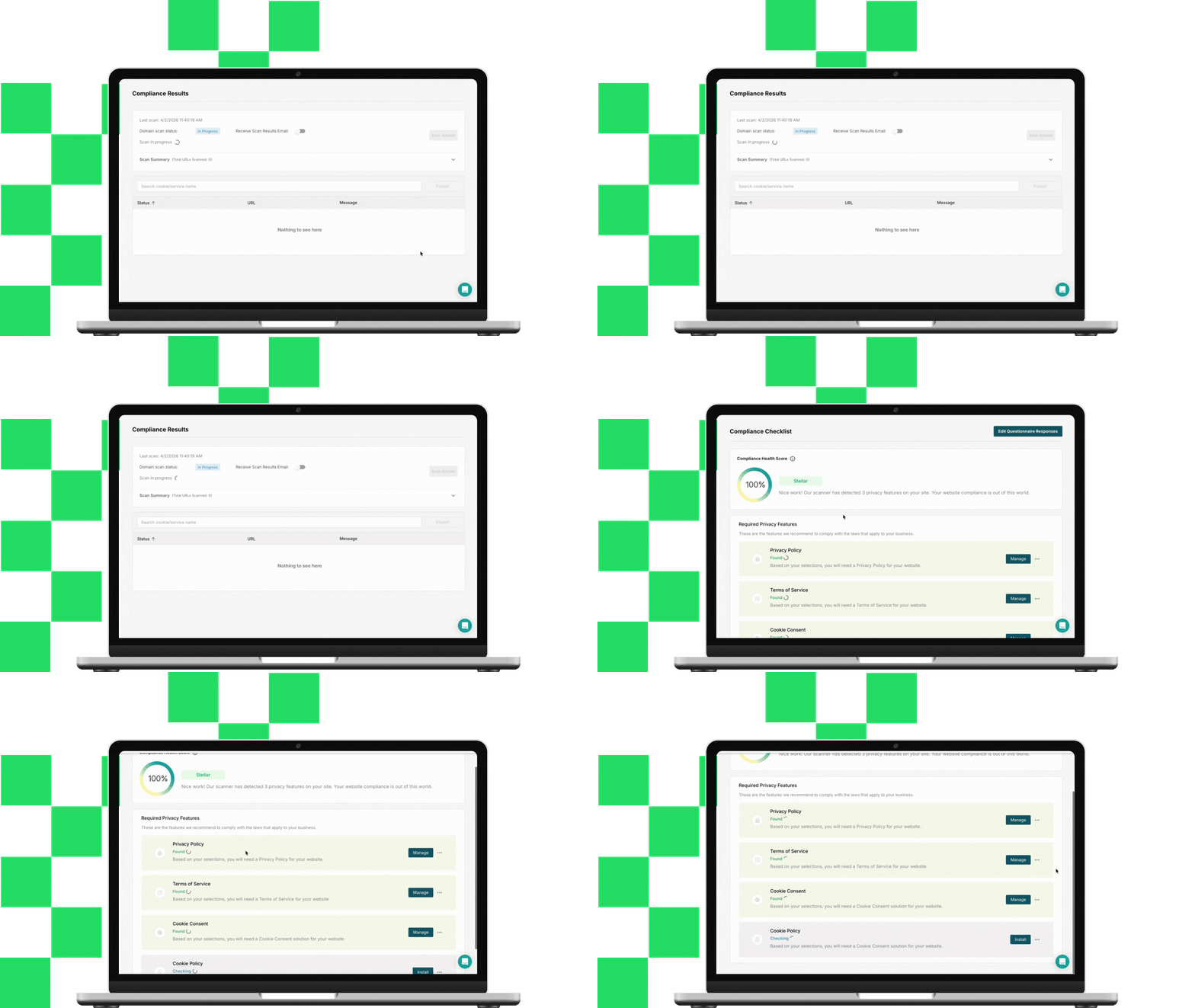
As an official Google Consent Mode Gold Partner, Enzuzo ensures you maintain modeled conversions and accurate targeting.
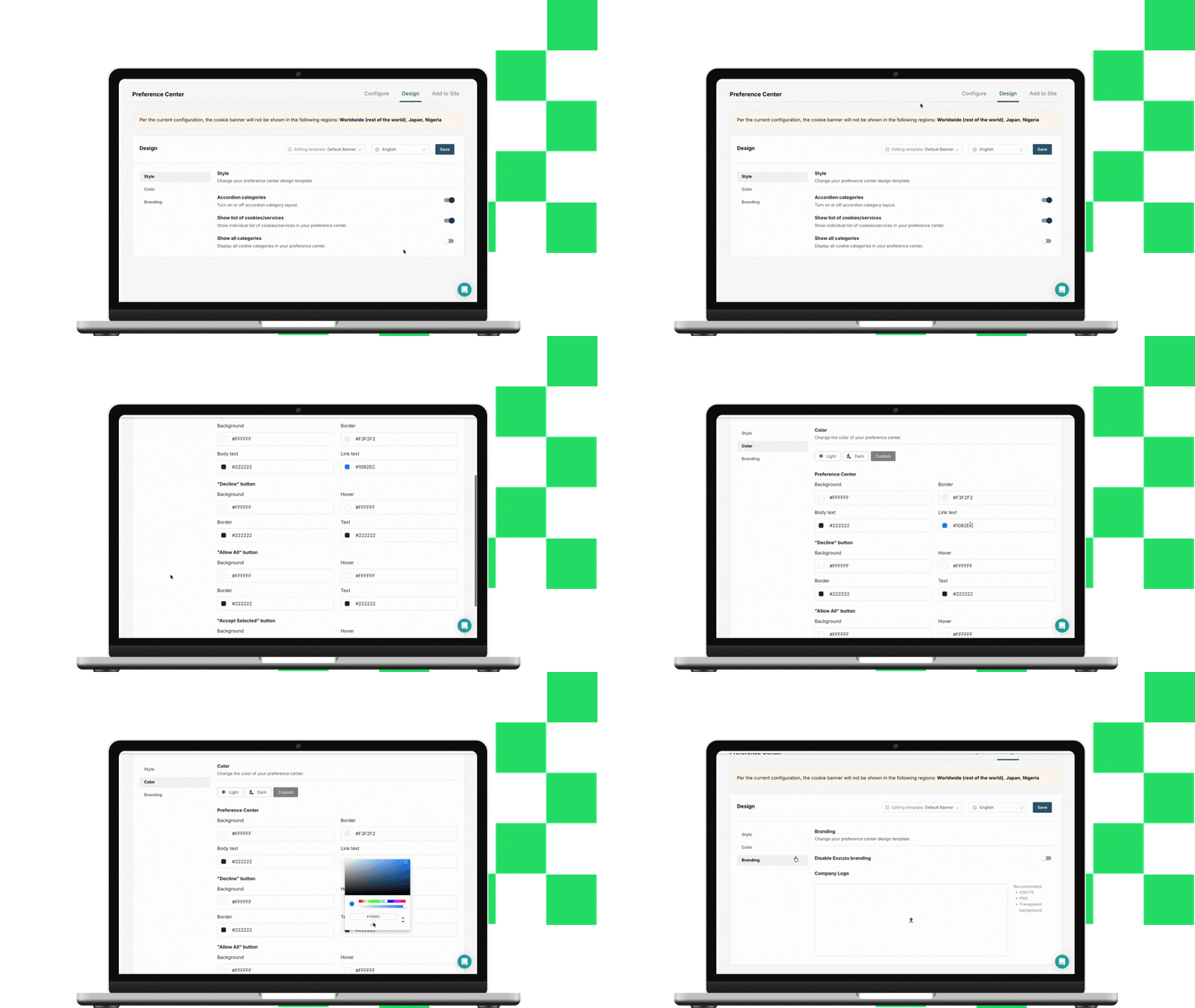
We help you increase opt-in rates, reduce funnel friction, and improve campaign measurement.
Stay aligned with GDPR, ePrivacy, CCPA/CPRA, LGPD, PIPEDA and more without burdening your marketing operations.
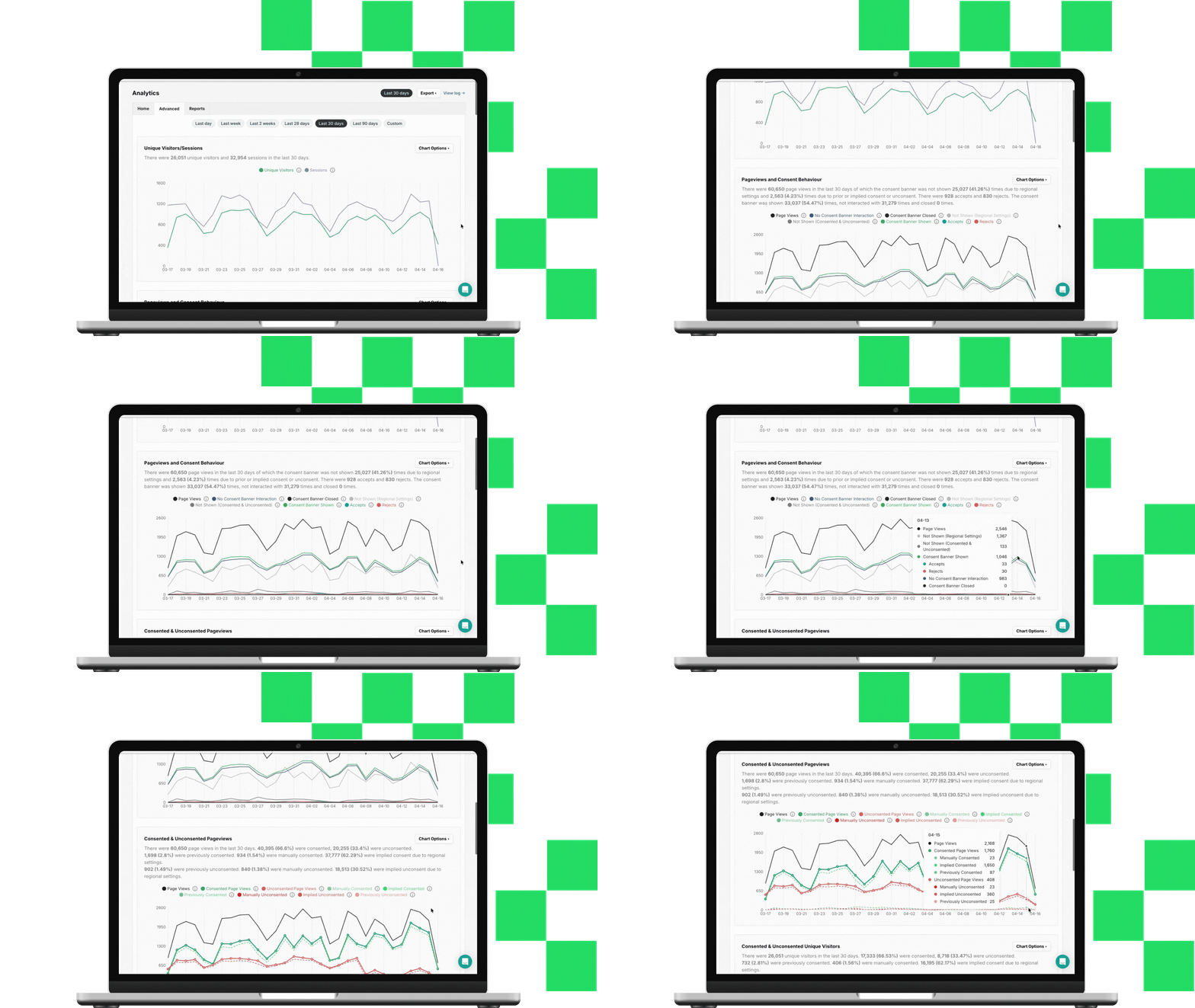
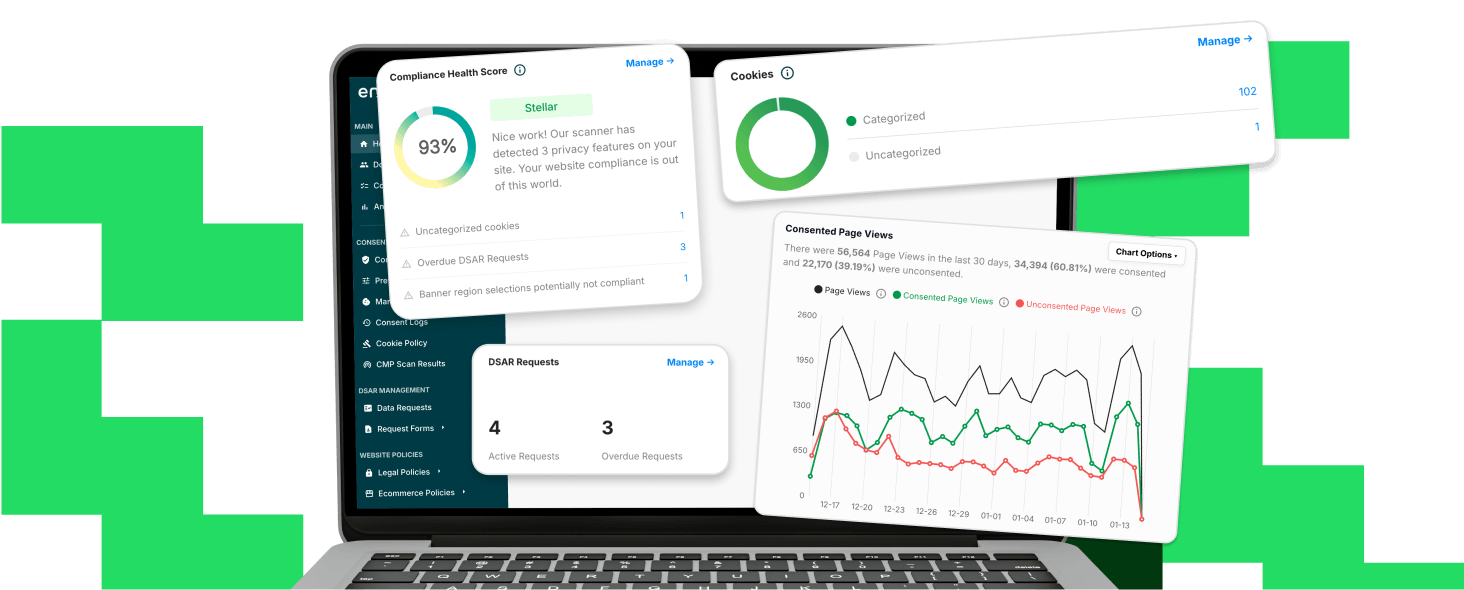
See opt-in performance, compare banner designs, and identify regions where analytics accuracy is suffering.
How Enzuzo Fits Into a CMO’s Daily Responsibilities
Improve Signal Quality
Accurate attribution → better decisions → higher ROAS.
Reduce Dependence on Engineering
No more waiting on devs to update consent scripts, policies, or banner variations.
Report Confidently to Leadership
With clean measurement data and audit-ready logs, every recommendation is backed by evidence.
Scale Marketing Globally
Geofencing and localization help you stay compliant and effective in every market.

Start powering
data privacy today
Free forever plan available - no credit card required
Integrations Designed for Modern Marketing Stacks
No-Code Deployment
Your direct line for strategy, optimization, and implementation support.

In-Product & Cross-Domain Support
Perfect for brands running multiple storefronts, landing pages, and campaign microsites.
No-Code Deployment
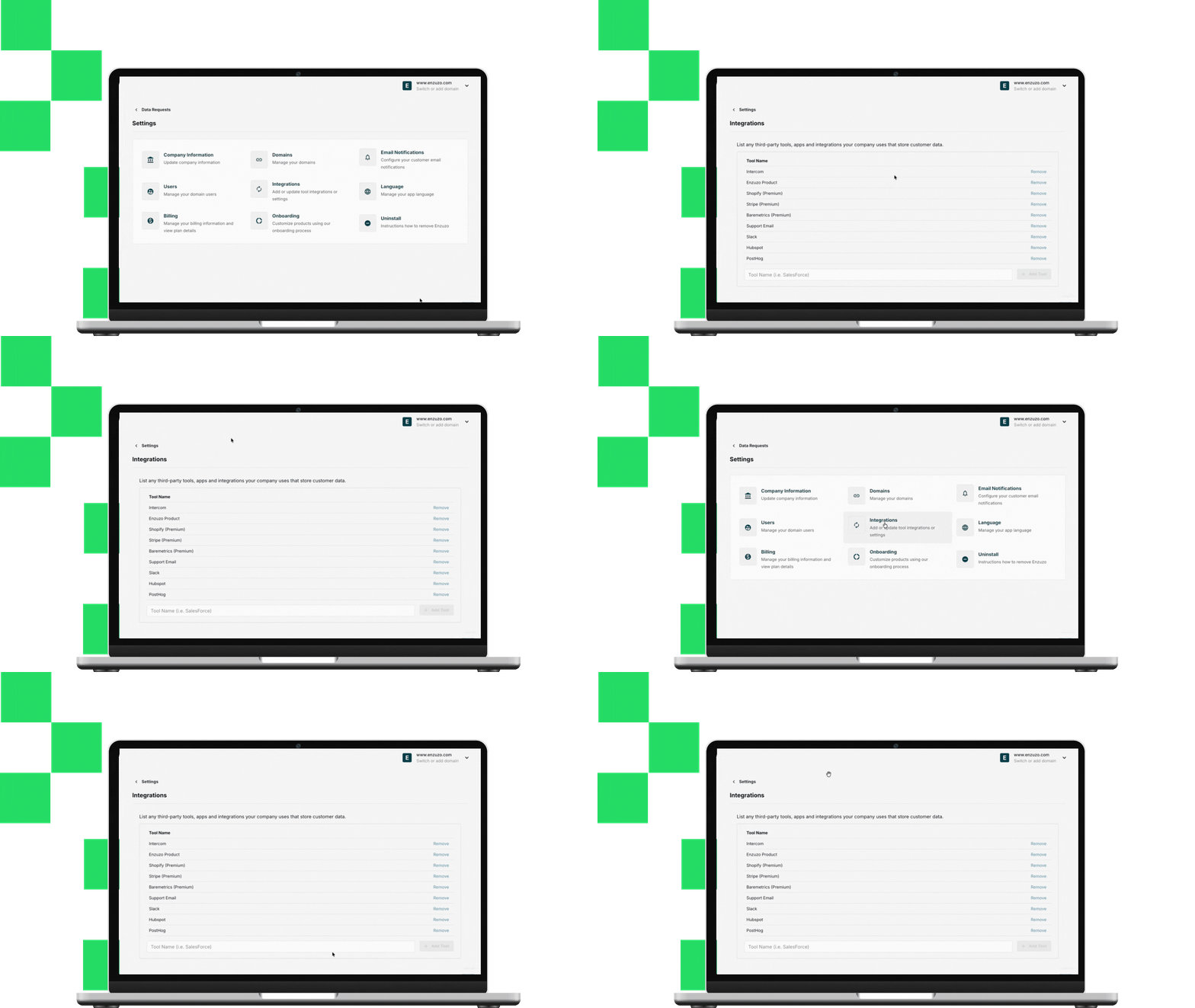
Launch banners, update policies, and modify consent logic without engineering bottlenecks.
Integrations Designed for Modern Marketing Stacks
Increase Opt-In
Rates by 20–60%
Better signals = smarter bidding, cheaper conversions.

Recover Millions in Lost Conversion Tracking
Launch banners, update policies, and modify consent logic without engineering bottlenecks.

Prevent Costly Compliance Errors
Avoid penalties, data loss, and platform restrictions caused by misconfigured consent.
Improve Efficiency Across Every Channel
Better signals = smarter bidding, cheaper conversions.
Pricing That Works for
Growth-Focused Marketing Teams
-
Scales with traffic - predictable during campaigns and seasonal peaks
-
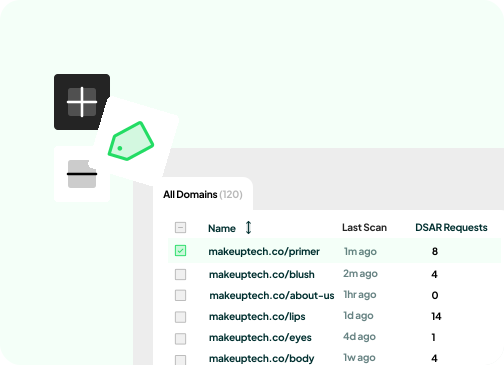
Manage multiple domains and regions under one plan
-
No hidden costs as your marketing expands globally
-
Built for DTC, SaaS, marketplaces, lead gen and enterprise marketing
Support That Moves as
Fast as Your Campaign Calendar
Dedicated Customer Success Manager for Enterprise Accounts
Your direct line for strategy, optimization, and implementation support.
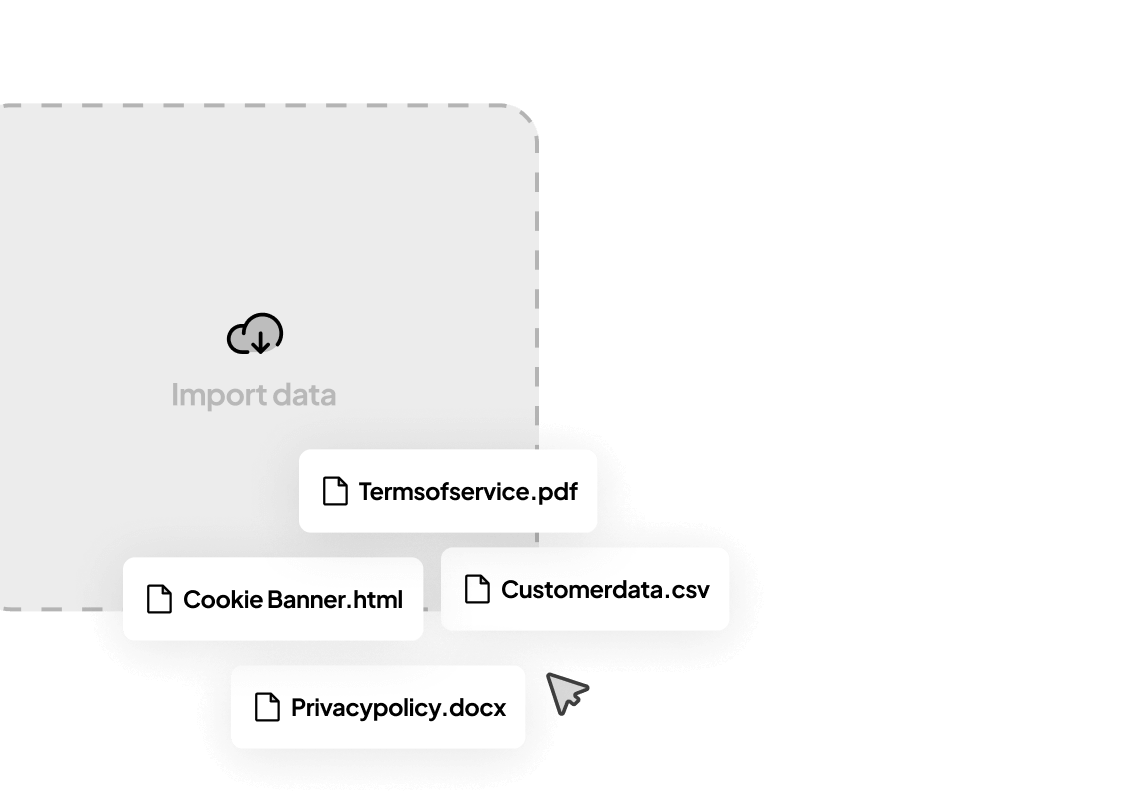
Fast,
Zero-Downtime
Migration
Switch from legacy CMPs without interrupting tracking or impacting active campaigns.

Optional Slack
Integration
Your marketing, analytics, and growth teams get near-real-time help.
FAQ
Common Questions From CMOs
How much marketing data will I lose if I add a consent banner?
It depends on where and how you show it. About half of all visitors ignore or dismiss a consent banner. In opt-in regions like California, ignored visitors stay untracked because consent defaults to false on page load. In opt-out regions, consent defaults to true, so ignored visitors are still tracked normally. The move is geofencing: run opt-in only where the law demands it, opt-out where required, and no banner everywhere else. That keeps your consented traffic as high as possible while avoiding lawsuits.
Can I show the banner only in states that require it?
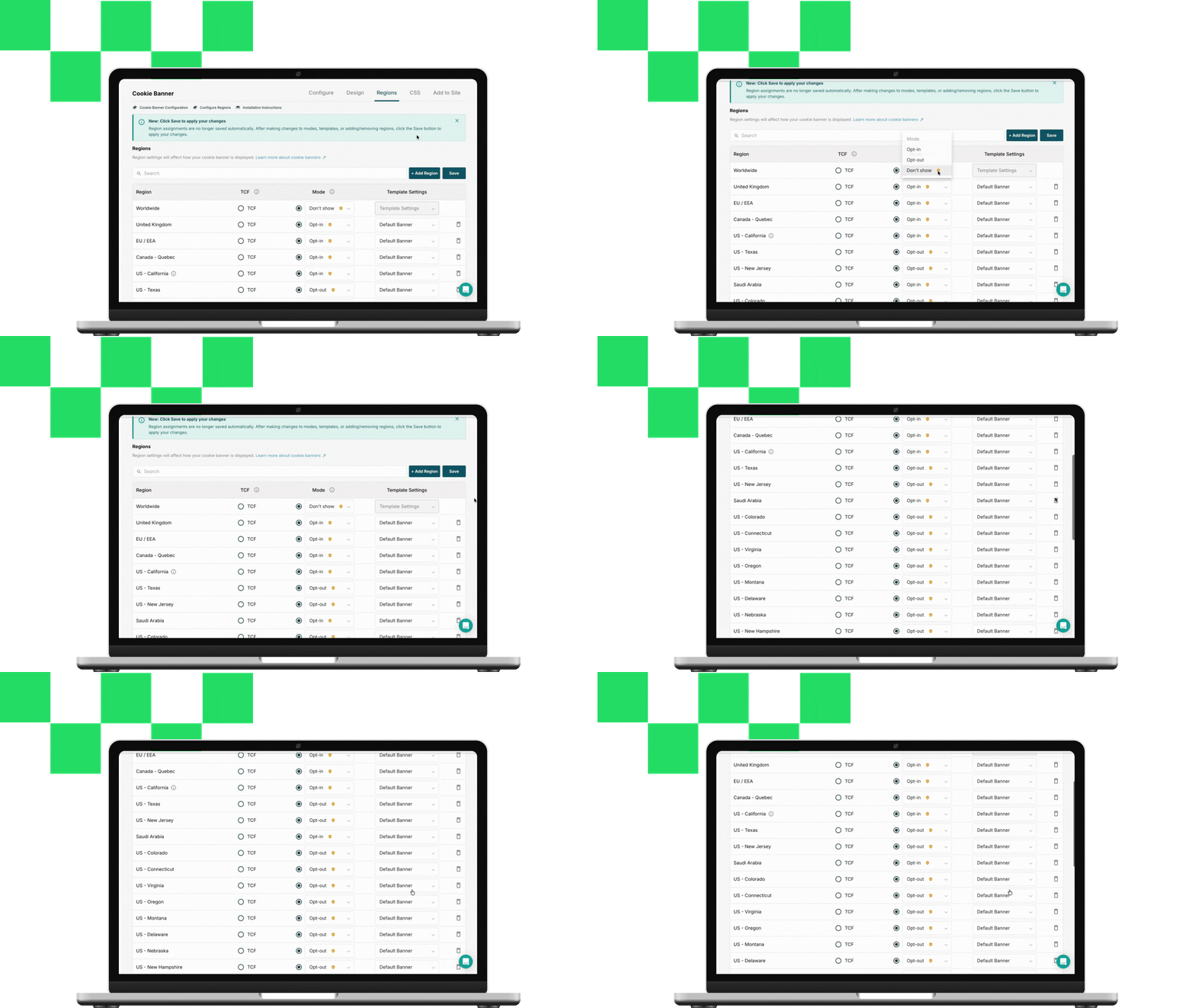
Yes. You set rules per region using IP-based geofencing. California gets opt-in (blocked on page load until the visitor accepts). States like Colorado or Connecticut get opt-out (consent granted by default, but visitors can withdraw). States with no privacy law default to "don't show," meaning no banner fires and you track normally.
What's the difference between opt-in and opt-out, and why should I care?
Opt-in: consent is false on page load. Meta, Google Ads, analytics, attribution tools are all blocked until someone clicks accept. Opt-out: the banner shows, but consent is true on page load. All your tags fire immediately. Visitors can still decline, but they have to actively choose that.
The impact on your ad spend: under opt-in, anyone who ignores the banner generates zero trackable data. Under opt-out, those same visitors flow through to your analytics. California requires opt-in. Most other US state privacy laws are opt-out. The mode you set per region directly controls how much attribution data you keep.
Will this break my attribution tools (North Beam, Triple Whale, Klaviyo)?
Any tool that runs on a non-essential cookie is subject to consent. If a visitor is in an opt-in region and doesn't accept, that tool won't fire for that session. For Shopify stores, native apps already respect Shopify's Customer Privacy API, which is how we set consent. Tools injected directly into theme code (like North Beam's script) need a custom snippet to bring them into the consent framework. We write that during onboarding at no extra cost. You'll still get sales from opt-in regions. You just won't attribute the campaign source for visitors who didn't consent.
What's the minimum I need to do to stay compliant without hurting my campaigns?
Show an opt-in banner in California with equal opportunity to accept or decline. Set all other regions to "don't show." That means the only visitors you lose tracking on are Californians who decline or ignore the banner. For states that require opt-out, design the banner with just "accept all" and "manage cookies" with no decline button. Consent is already true, so if they do nothing, your tags keep firing. Most of our e-commerce clients run this exact setup.
How do I explain missing GA4 data to my team?
Do I need a developer to set this up?
For Shopify stores using native apps, no. Banner design, region settings, cookie categorization, and consent rules are all configured in the dashboard. If you use Google Tag Manager, there's a one-time template install, then your marketing ops team manages tag changes directly in GTM without dev tickets. For tools that don't play nicely with GTM, our team handles the custom integration during onboarding. Banner copy, design changes, and A/B tests are all done in the interface without touching code.
How does pricing work across multiple domains?
Pricing is based on two things: primary root domains and total monthly unique visitors across all of them. Subdomains share consent with their parent and don't count as separate domain slots. Plans include a set number of domains with room to add more. If you spike during Black Friday and temporarily exceed your visitor cap, there's a modest top-up rather than an automatic plan upgrade.
Still have questions about Enzuzo? Visit the Help Center.